

How to Build Your Personal Profile for LinkedIn Lead Generation

Conquer LinkedIn Lead Generation

Estimated Read Time: 5 minutes 

Intended Audience: B2B Business Owners, Microsoft MVPs, Tech Industry Experts

Revised September 2023

LinkedIn is a sought-after platform by professionals from all industries and has over 500 million active members. Isn’t that a great place not only to build a strong professional profile, but also to build your network with other professionals and create meaningful leads for your business? But simply creating a profile and posting every now and then is not the most efficient way to leverage the power of LinkedIn. In this blog, we will walk you through some of the ways you can leverage your personal profile for LinkedIn lead generation and be that thought-leader you want to be!

Why Invest Your Time in LinkedIn

LinkedIn is a vast platform full of people that are looking for or providing different kinds of solutions and services. It is very likely that on a platform as extensive as this you will cross wires with like-minded professionals. Study shows, LinkedIn is 277% more successful in lead generation than Facebook and X (formerly Twitter). LinkedIn is a great place to gain visibility and credibility among your peers and industry experts. Additionally, your presence on LinkedIn helps build a brand image not only for yourself, but also for the company you work for. The platform hosts nearly 740 million users, providing great network expansion opportunities to all members.

Establish Your Presence on LinkedIn

Creating a Linkedin profile is easy, but making it visible and of substantial value is what takes work. It is all about how you curate your profile for other members to enjoy, showcasing your experience, strengths, skills, and winning personality. 

Optimize! Optimize! Optimize!

We can’t say this enough about the importance of optimizing your personal LinkedIn profile and posts. It is crucial how others discover your profile, aspects like LinkedIn bio, interest, work, and academic experience, all play a role in your visibility. Adding keyword-heavy details in the ‘About’ area, describing responsibilities under each work/study experience, or including links to projects you have worked on can go a long way in improving your visibility. 

linkedin personal profile optimization for lead generation
Optimize your Personal Profile on LinkedIn

Prove Credibility, Authority, and Expertise on LinkedIn

Skills, endorsements, and recommendations can help your profile stand out among other members that don’t make adequate use of these features.

using linkedin skills for linkedin lead generation
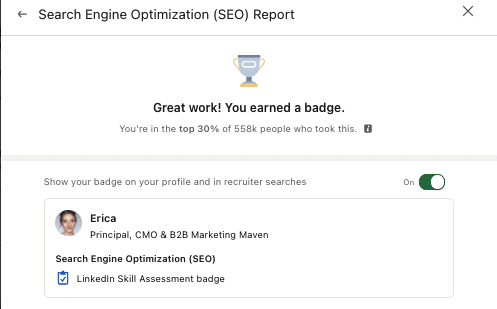
Utilize Skills and Badges to Show Expertise and Support LinkedIn Lead Generation

They are a good way to get that thought leadership status and how people view and perceive your opinions. Skills and endorsements showcase your strengths and the support you have garnered from others, in turn indicating the trust, authority, and expertise you have in the industry.

personal recommendations for linkedin lead generation
Endorsements and Recommendations on a LinkedIn Profile

Engage and Interact with LinkedIn Members

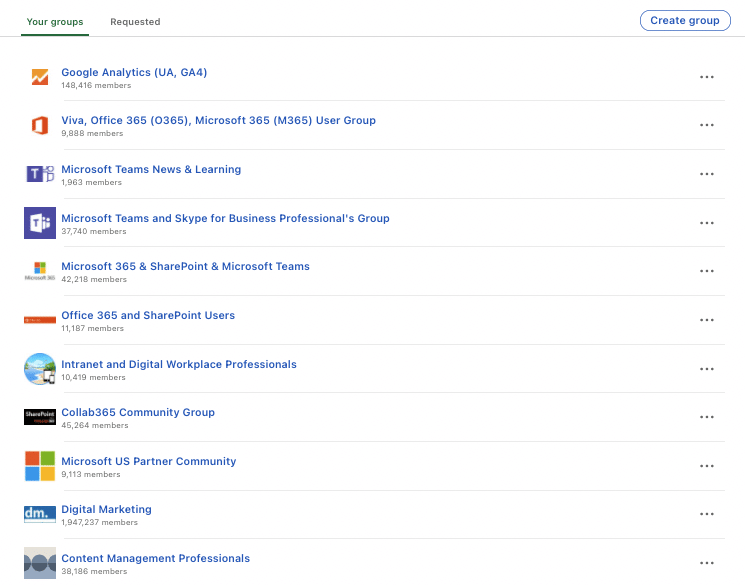
Add people of similar interests as connections and follow your interests, other thought leaders, industry experts, and companies whose work resonates with you. Go ahead and join LinkedIn Groups to widen your network and connect with more people. It is always good to have a healthy mix of connections that ranges from people working in and around your industry and at different hierarchical levels. As you grow your connections, you will have the opportunity to analyze their content and learn from their insights as well. Once you are a group member, make sure to participate actively with relevant and meaningful content. You can even create and manage your own group on LinkedIn, this can be a very significant step to get your business the visibility that it needs. 

building linkedin leads with groups
B2B Linked Lead Generation with Group Membership and Participation

Publish Your LinkedIn Content

Creating and sharing content is crucial to your profile’s success. Identify the gaps in topics in your industry and write about what is most relevant to your audience and connections. Sharing original content in the form of insights or from your blog post is vital to exhibit your knowledge. At the same time, don’t be afraid to reshare content related to your brand or industry. Stay on top of trends and make sure what you post is what the audience seeks.
publishing content for linkedin lead generation
LinkedIn Activity and Content Promotion

Once again, it is time to stress optimization, but this time of your posts. Use keywords, links, and hashtags to make sure your work is reaching the right people. Tagging related company accounts or personal profiles also increase impressions of your post. Find the right balance of how often you post on LinkedIn, do not bombard your followers with too much information, but pace it out at regular intervals.

Spotlight Your Work in the Featured Section

Use the Featured section of your personal profile to showcase your work samples. This section helps boost your profile with valid examples and proof of work. You can include any form of external media, documents, and links that you would like to be spotlighted when someone views your profile. It is a great way to establish your professional identity!
linkedin featured section for linkedin lead generation
List your Work Samples and Spotlight Responsibilities

Tapping into In-built Organic Feature for LinkedIn Lead Generation

Begin business development with your closest circle of connections and move outwards. This means 1st, 2nd and 3rd connection emails are your starting point. Reaching out to people in these tiers should get you a measurable response as they are most likely to be familiar with your content, hence, they are more likely to engage with you. 


Did you know that the LinkedIn platform is the best place for account-based marketing? Narrow down on the industry, size, and interests of your current customers and find others like them on LinkedIn. Use professional demographics to determine who your potential customers are, it is all about persona building and finding those that fit into it in a professional capacity.


Utilize LinkedIn Events as a way to get more information to your audience. Depending upon your target you can organize meetups, workshops, seminars or several other types of events. This is an engaging way of driving interest in your work or solution and building a professional community that further facilitates LinkedIn Lead Generation. You don’t have to organize events for all LinkedIn page followers and can target specific segments and host verticalized events or product demos for specific functions. With events, you can also capture information about your attendees and view their experiences before, during, and after the event. All that information can be really helpful for future marketing initiatives as well. 

linkedin lead generation with events feature
Creating an Event on LinkedIn for Meaningful Lead Generation

If you are the administrator of a group on LinkedIn, you can send out announcements in the form of emails to your group members. This can include anything from a whitepaper to a product update, webinar, or free trial. It is a simple way to reach out to a large number of people and capture information about those that show interest.

Go Premium on LinkedIn

The LinkedIn Premium account has many added features that you can utilize to harness more leads from the platform. In the premium account, you get regular analytics like search terms and trends to improve your professional presence. Furthermore, it is uncommon to find contact details of other industry professionals on LinkedIn, but with Premium, you get to unlock more InMail credits that you can use to reach out to industry leaders and build connections with larger networks.


We might have given you a lot to consider about LinkedIn and its features. A good place to start would be with your own profile and taking small steps towards optimization. In our next blog, we will uncover more aspects of LinkedIn that help build your company’s presence and how to drive traffic from your Company Page, Showcase Page, and using Sales Navigator and several other Paid LinkedIn Features.


If you have any questions about LinkedIn Marketing and conquering social media platforms for your business, please reach out to us!

How to Improve SEO and Drive More Traffic to your B2B Website

Improve SEO on Your B2B Website

Estimated Read Time: 5 minutes 

Intended Audience: B2B Business Owners, Business Strategists, Microsoft Partner Organizations

We all know how important it is to have high SEO rankings, but with over 200 search engine ranking factors in Google’s search engine algorithm alone, it can feel a little overwhelming knowing which factors are the most critical for a successful online marketing strategy. 


One question we are frequently asked by our clients is “how can we improve SEO on our B2B website?” This might sound like a simple question but producing the desired results for your B2B website requires establishing and maintaining a complex series of strategies and tactics. 


In this blog post, we’ll highlight the key search engine ranking factors you should be integrating to improve SEO.

How to Improve SEO with Keyword Research
Improve SEO with Thorough Keyword Research

Keyword Research Is Essential to Improve SEO

Keyword research is ESSENTIAL to improve SEO strategy and practice.


There are various FREE and paid tools for keyword research, which can be helpful to gain a better understanding of a keyword. We recommend you take the time to evaluate the demand and competition of the keywords you are targeting and think about how someone would search for relevant information based on the specific product or service you are offering.


It’s also worth bearing in mind how competitive a keyword is. If you need to focus on building more authority on your B2B site, try targeting less competitive words until you have built a stronger foundation for your site.


Once you’ve researched and chosen your keywords it’s time to plan relevant and high-quality content around these keywords, BUT make sure it sounds natural and avoid using too many.

Improve SEO with Fresh Content
Fresh Content is Vital to Improve SEO

How to Improve SEO With Content Marketing

Producing high-quality content is crucial to increasing your rankings, but DON’T forget about old content once it’s up on your site. Your content needs to be relevant and up to date, so make sure you are reviewing and updating existing content regularly. 


This is a fantastic way to signal to visitors that your website contains fresh, exciting, and accurate information. It will also likely increase the amount of time people spend on your site, also known as your dwell time, which can significantly improve SEO.


When reviewing existing content ask questions like, does my content demonstrate expertise, authority, and trustworthiness? Google’s ranking factor “E-A-T” (Expertise, Authority, and Trustworthiness) is used to measure just this.


While search engines want to ensure users are getting high-quality content, they also want to know that users are acquiring accurate and trustworthy information from your content.

Focus on Technical Elements to Improve SEO

Improving the technical SEO of your site is more important than you might think, so you want to ensure your site is compatible with the standards set by search engines, as this will significantly influence your ranking. 


We recognize there are a lot of different aspects to technical SEO, so to make things easier we’ve highlighted some key points for you to focus on:

  • XML sitemaps – make sure to use an XML sitemap, as this shows search engines your website URLs and allows them to see what content is available and how to reach it. 

  • Site structure – have an organized and flat structure that shows your site’s pages are only a few links away from one another. This also helps search engines to access and “crawl” all of your pages easily. 

  • URL structure – a consistent and logical URL structure provides a better user experience and helps users understand how to move around your site. 

  • Linking – internal links direct users to other relevant pages on your site, which increases your authority as well as your dwell time. It also helps search engines to “crawl” more of your site’s pages.

  • Duplicate & thin content – avoid duplicate content or providing thin content with little or no value to the user. We recommend using a social audit tool to help you find and remove duplicate content on your site.

  • Canonical Tags – canonical URLs help you manage similar content on your site and helps specify the exact URL you want visitors to see in search results. 

  • Rich snippets – a type of markup that enables you to include additional information on your pages, making them more noticeable in search results. This will naturally increase organic traffic to your site.

  • 404 pages & 301 redirects – you want to show search engines that all of your links are live, so make sure you don’t have any broken links and use 301 redirects to redirect users if you’ve restructured your site. 

  • HTTPS – make sure to use HTTPS, an encrypted version of HTTP that will improve the security of your site for visitors by encrypting the data between your browser and server.
Improve SEO with Good User Experience
High Quality User Experience is a Key SEO Factor

Offer an Optimal User Experience to Improve SEO

Evaluating your site for page performance is key to ensuring visitors have an optimal user experience on your page, whether on a desktop or mobile device. This will not only improve SEO but also increase organic web traffic. What’s more, with the increase of mobile browsing, it’s more important than ever to have a mobile-friendly user experience and a fast-loading speed. 

Arriving in 2021 is Core Web Vitals, Google’s latest ranking factor. With this new factor, your search ranking will be measured by the user’s experience on your site – we’re talking about the speed of your site when it loads, page performance and mobile experience. 


Algorithm updates can have a big impact on your rankings, as well as traffic to your site, so it’s important to stay ahead of them. Here are a few points that will help you understand how to prepare your B2B website for Core Web Vitals:


  • Largest Contentful Paint (LCP) – how long does it take for the largest piece of content on your site to load? Whether it’s a video, an image, some text, on your desktop or on your mobile, your ranking will be influenced by the loading speed of that content.

  • Cumulative layout shift (CLS) – is used to measure the stability of your site. Think about whether a user may experience an unexpected layout shift when they go to click a button. 

  • First Input Delay (FID) – how fast can your site start to process and produce a result when a user clicks on something?


Remember, this is all about providing an optimal user experience, so make sure your site offers an easy, accessible and fast experience for visitors.

Improve SEO with High Quality Backlinks

It’s important to build high-quality backlinks by linking to authoritative and trustworthy sites that are relevant to your subject matter. Backlinks not only demonstrate subject matter expertise, but they also build your own authority and trustworthiness. 


Take the time to link your content only with relevant and high-quality backlinks and make sure not to include too many.

How to improve seo with social media
Improve SEO by Growing Your Social Signals

Grow Your Social Signals

Social shares may not be a direct ranking factor but getting more social shares to your site can really help your search engine ranking. There are two key reasons for this: 

  • More social shares help to increase organic traffic to your site.

  • More social shares mean there are greater opportunities for your content to build backlinks.

What’s more using platforms such as Google My Business (GMB) and Bing Places for Business is a fantastic way to improve your B2B business ranking. There is a long list of benefits for local businesses, such as increased customer trust, expanded search engine real estate, increased website traffic and one-click accurate business information for customers.

It’s Possible to Improve SEO!

As we mentioned earlier, the question “how to improve SEO on our B2B website?” is a simple one to a complex series of strategies, tactics, and execution planning, but by following this resourceful guide you too can improve your search engine rankings and drive more traffic to your B2B website. 


Have further questions or would like hands-on guidance applying these strategies and tactics?


Get in touch at maven@mavencollectivemarketing.com to learn how our expert team can improve your SEO and drive measurable results.